Stuttgart
Stuttgart – nestled among forests, vineyards, and an urban lifestyle
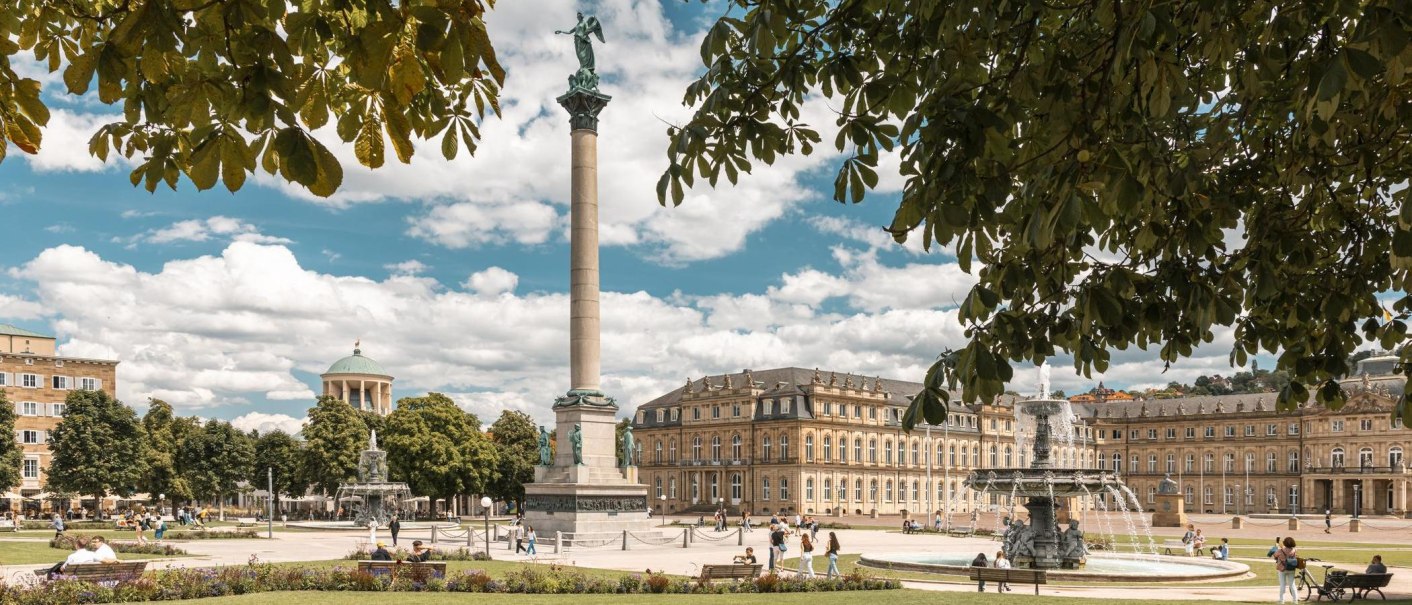
Stuttgart is full of surprises. Nestled in the expansive Stuttgart basin, surrounded by forested hills, vineyards, and the Neckar Valley, the capital of Baden-Württemberg uniquely blends nature and city life. The city center lies “between forests and vineyards” and offers impressive views, varied landscapes, and easy access to green spaces.
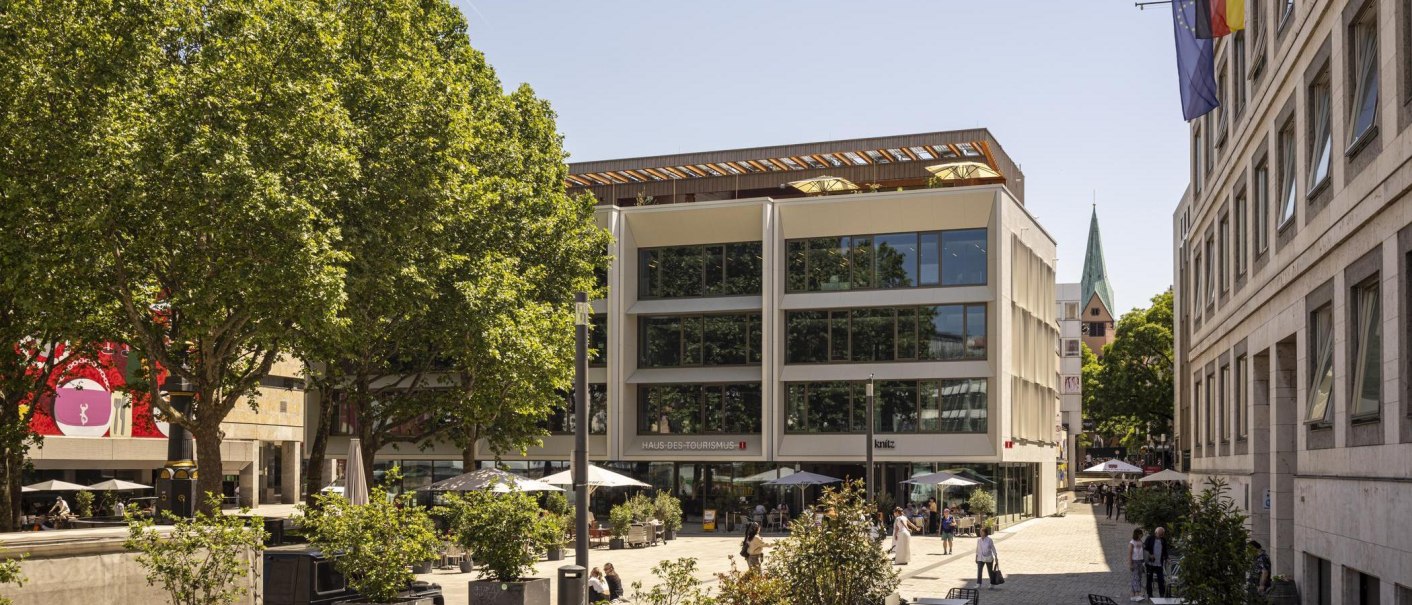
The cityscape is characterized by its many hills and valleys, spacious parks such as the Schlossgarten, Rosensteinpark, and Killesbergpark, as well as a vibrant mix of urban architecture. Alongside striking postwar buildings and Wilhelminian-style neighborhoods, you’ll find historic half-timbered ensembles—such as those in Bad Cannstatt—as well as significant architectural landmarks, churches, and modern high-rises. This creates a fascinating contrast between history and the present.
Thanks to its sheltered location in a valley basin, Stuttgart is one of the warmer regions in Germany. Its location between the Black Forest and the Swabian Alb also ensures comparatively low precipitation and many pleasant days that invite visitors to explore the city and its surroundings.
Culturally, Stuttgart is one of Germany’s most significant cities. The Stuttgart State Theaters, comprising the Stuttgart Opera, the Stuttgart Ballet, and the Schauspiel Stuttgart, form the world’s largest three-genre theater complex. In addition, five of Baden-Württemberg’s eleven state museums are located here, offering diverse ways to experience art, history, and culture.
The regional identity is also palpable everywhere: Stuttgart is part of the Lower Swabian language region and features the “Stuttgarter Rössle”—a widely recognized symbol—in its city coat of arms. The rearing black horse on a golden background represents a city that confidently combines tradition and progress.